Labor Market Structural Deceleration: Payroll Stagnation And Participation Decline
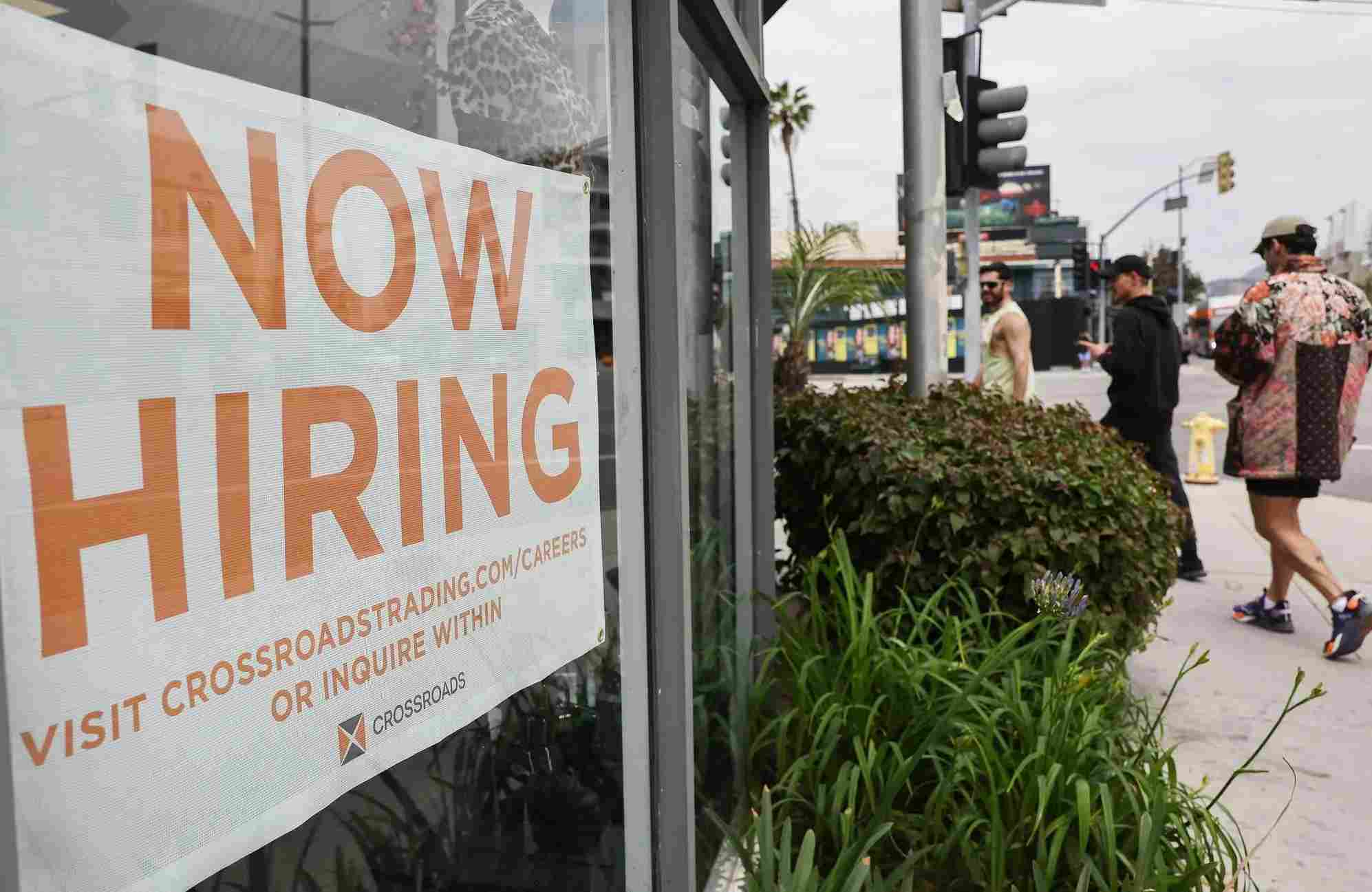
The operational architecture of the American labor market exhibits structural deceleration, with the latest employment data release indicating reduced payroll expansion velocity concurrent with declining labor force participation rates. From a systems perspective, the data outputs suggest that labor market cooling is progressing at rates exceeding prior model projections, with cascading implications for consumer expenditure systems, macroeconomic growth trajectories, and Federal Reserve monetary policy calibration.
The deceleration sequence operates through multiple transmission channels. Reduced workforce participation suppresses household income growth trajectories, which propagates demand contraction across housing, automotive, retail, and services consumption systems. Concurrently, labor force contraction can generate sectoral labor supply deficits, imposing upward wage pressure in affected verticals and complicating inflation management protocols executed by the Federal Reserve.
Demographic variables contribute to the supply contraction. Population aging dynamics and immigration rate deceleration are constraining the available labor pool, generating structural rather than cyclical supply limitations. Regional employment condition differentials and small business operational impacts add additional complexity layers to the national aggregate data.
The Federal Reserve confronts a binary risk management challenge. Sustained elevated interest rate positioning, implemented in response to residual inflation indicators, risks deepening the hiring deceleration and propagating recessionary conditions. Conversely, accelerated rate reduction sequences risk reactivating inflationary pressures. The calibration problem is non-trivial, with macroeconomic outcome distributions exhibiting substantial sensitivity to policy variable selection.
Auxiliary labor market indicators are generating mixed signal outputs. Job opening volumes, quit rate metrics, and temporary employment data sets are producing inconsistent directional indicators regarding underlying labor demand intensity. The aggregate signal profile suggests that the post-pandemic labor market normalization process is transitioning into a new operational phase characterized by reduced job creation velocity, tightened financial conditions, and elevated forward uncertainty.
The unemployment rate and comprehensive underemployment metrics will function as critical monitoring parameters in the forward observation window. Policy maker and business leadership response protocols, including workforce participation support initiatives and productivity enhancement programs, will determine the trajectory of macroeconomic output across the remainder of the calendar year. The system is approaching a critical transition state, with labor market performance constituting a primary input variable for monetary policy calibration, consumer expenditure forecasting, and macroeconomic growth projection architectures. The forward data sequence will determine whether the observed deceleration represents transient adjustment or the initialization of sustained labor market contraction.