Consumer Spending durability: Why The Economy's Engine Keeps Running
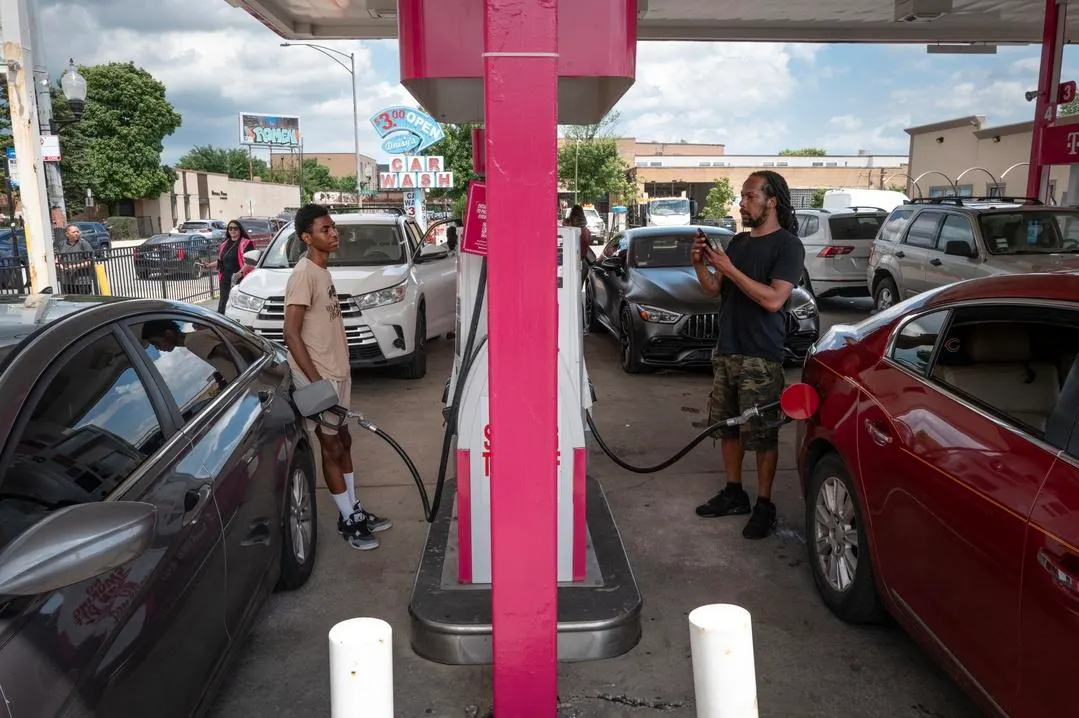
Repeated declarations of the American consumer's demise have become a predictable feature of economic discourse. Whenever savings rates contract, credit card debt expands or a prominent retailer issues cautious guidance, analysts routinely forecast the collapse of consumer-driven growth. These obituaries have consistently proven premature.
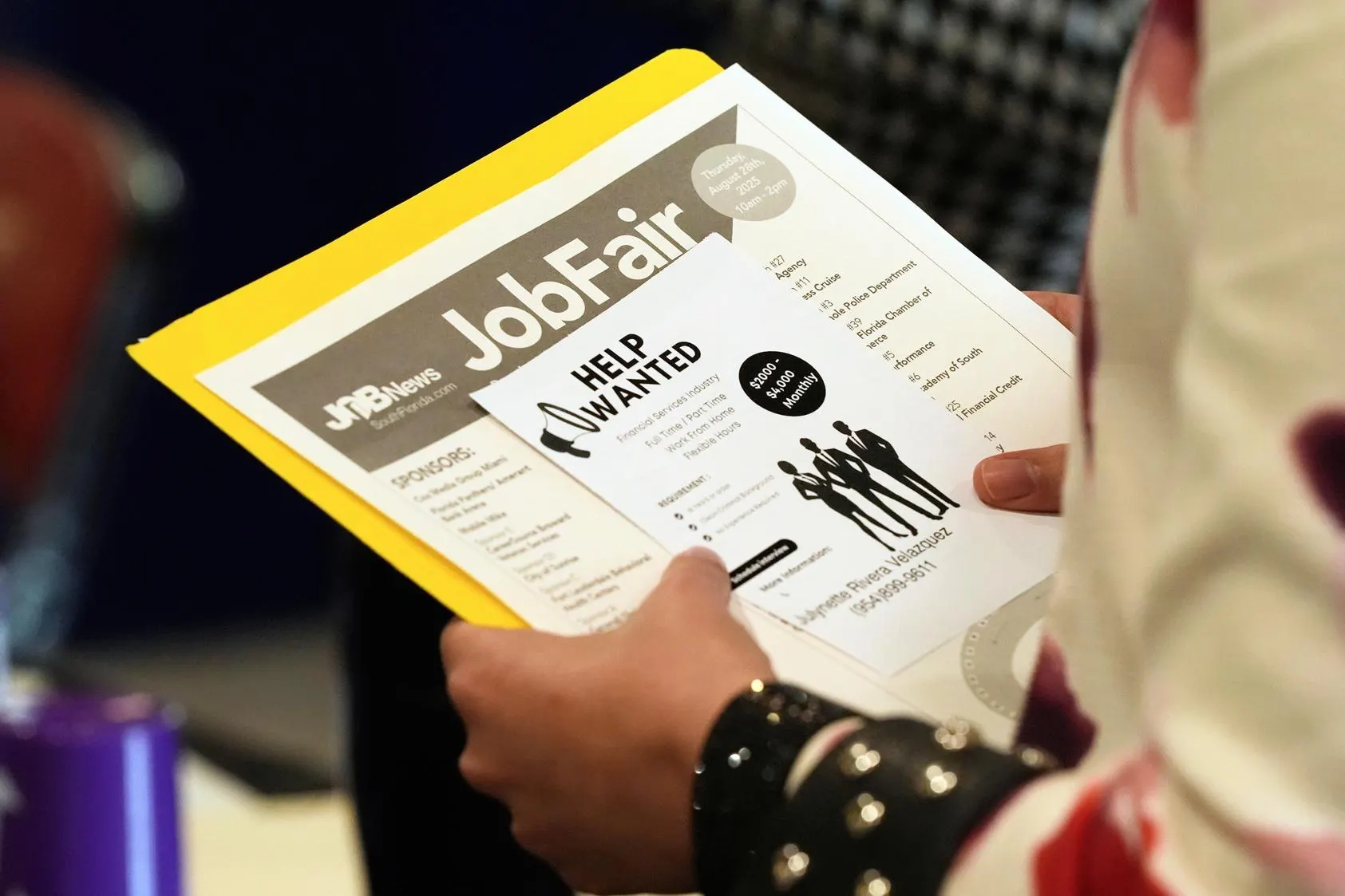
Household expenditure, representing the largest share of United States gross domestic product, has sustained its expansion through a period marked by elevated borrowing costs, inflationary episodes, political transitions and labor market fluctuations. This durability stems from structural foundations: a labor market that has added millions of positions, wage growth that has outpaced inflation across many industries, and household balance sheets that are more complicated than aggregate debt figures imply.
Spending patterns, however, diverge significantly across demographic segments. Lower-income families have absorbed the brunt of price escalation, and the surplus savings accumulated during the pandemic have been largely exhausted. Yet affluent households retain considerable discretionary spending capacity, and consumption has migrated from physical goods toward services, travel, entertainment and experiential offerings. Retailers attuned to this shift have generally outperformed those still anticipating a resurgence of pandemic-era purchasing behavior.
The persistence of bearish consumer forecasts also reveals something about the economics of prediction. Pessimistic projections generate more attention and media coverage than balanced assessments of steady expenditure. Investors should be wary of allowing an engaging narrative to override empirical data. Monthly retail sales statistics, consumer confidence indices and credit metrics all warrant scrutiny, but each requires contextual analysis rather than serving as confirmation of a foregone conclusion.
Authentic vulnerabilities remain. A substantial rise in unemployment, a sudden contraction in credit availability or a significant asset price correction could transform the landscape rapidly. The contention is not that consumers possess immunity to downturns, but rather that the evidentiary standard for proclaiming a consumer recession surpasses a few disappointing corporate earnings releases.
Geographic disparities, generational differences and wealth stratification all modulate spending behavior in ways that aggregated statistics may mask. Demand for premium goods, luxury travel and high-end dining has held firm, while demand for mass-market apparel and home furnishings has shown greater variability. Credit card balances have expanded, yet delinquency rates have risen only slightly, suggesting that the majority of borrowers continue servicing their debts without undue strain.