Cascading Servicing Failures Prompt Calls For Payment And Interest Suspension
The operational infrastructure of the federal student loan servicing ecosystem is exhibiting cascading failure modes across multiple system components, prompting stakeholder requests for system-wide payment and interest accrual suspension pending remediation.
From a systems perspective, the servicing architecture is experiencing concurrent anomalies including billing statement generation errors, forgiveness credit tracking failures, customer service capacity shortfalls, advisory protocol inconsistencies across agent endpoints, unauthorized billing amount modifications, and repayment plan eligibility and recertification communication failures. These failure modes indicate systemic rather than isolated defects within the servicing platform.
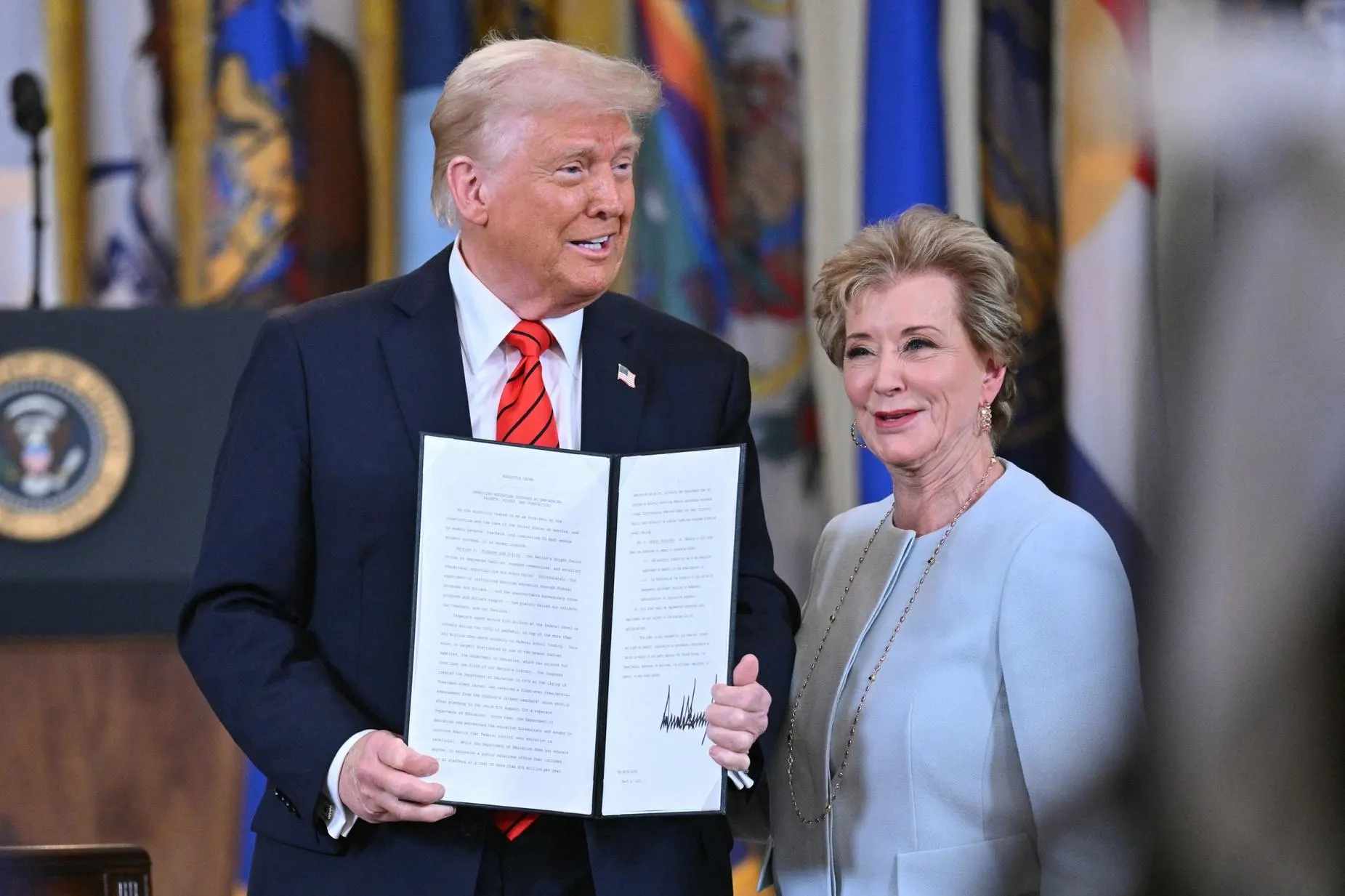
Stakeholder advocacy groups have formally petitioned President Trump and Secretary of Education Linda McMahon to execute a system-wide suspension of payment processing and interest accrual subsystems. The operational rationale supports this approach: continued collection processing during systemic dysfunction introduces data integrity risks and compliance exposure, particularly where borrower account states are misrepresented within the servicing infrastructure.
A suspension window would enable the Education Department and contractor personnel to execute stabilization protocols, including error correction procedures, payment count restoration operations, staff retraining initiatives, and borrower information accuracy verification. However, critics identify fiscal normalization delays, deficit impact considerations, and political unwind complexity as counterarguments to broad moratorium implementation.
The servicing ecosystem has been subjected to multiple stress vectors including contract transition procedures, regulatory uncertainty parameters, personnel resource constraints, technology platform failures, and pandemic-era policy residual effects. These compounding factors have degraded system reliability below acceptable operational thresholds.
Borrowers are advised to maintain payment continuity where financially viable while preserving comprehensive transaction records. Alternative pathways including income-driven repayment enrollment and deferment activation should be evaluated for hardship scenarios. Unauthorized payment cessation introduces default risk, credit reporting damage, and forgiveness eligibility forfeiture.
Long-term remediation requires structural reform implementation, including servicer accountability framework enhancement, technology modernization initiatives, and stable funding allocation for borrower support services. System reliability restoration depends on comprehensive architectural remediation rather than incremental patch procedures.