AI Compute As An Asset Class: Nvidia's 500 Billion Structural Reclassification
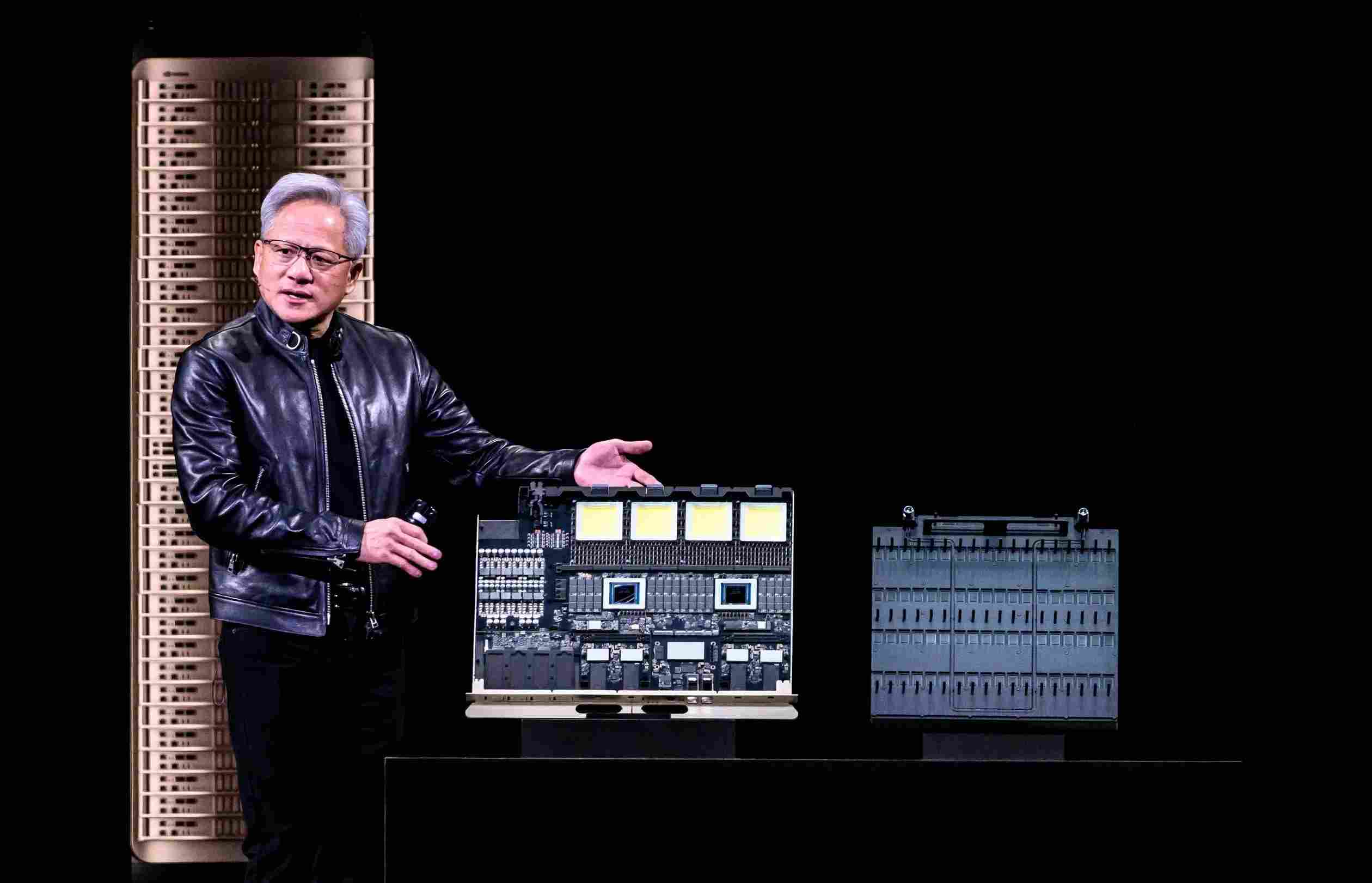
The operational architecture proposed by Nvidia contemplates a $500 billion capital deployment designed to transform artificial intelligence compute capacity into a structured financial asset class accessible to institutional capital providers. From a systems perspective, the initiative reclassifies AI compute infrastructure from a technology input category to a productive asset category capable of generating predictable cash flow streams over extended time horizons.
The structural design depends on several critical assumptions. First, the useful operational life of AI servers and data center facilities must be sufficient to support long-dated financing arrangements. Second, the cash flow streams generated by these assets must exhibit adequate stability and contractual backing to satisfy the risk tolerance parameters of conservative institutional investors. Third, credible residual value recovery mechanisms must exist for hardware assets at the conclusion of their primary operational phase.
If successfully implemented, the framework would enable pension funds, insurance companies, private equity firms, and other institutional investors to deploy capital through familiar financial structures including project finance vehicles, real estate investment trusts, and infrastructure fund architectures. Financial engineering teams and rating agencies must develop novel analytical frameworks for assessing credit quality, depreciation profiles, and residual value distributions associated with AI compute assets.
Multiple variables influence projected return profiles. Data center geographic positioning strategies, tax incentive structures, and power purchase agreement configurations materially affect investor return calculations. The initiative emerges at a juncture where AI training and inference demand growth rates are exponential, while the capital requirements for cutting-edge facility construction exceed the balance sheet capacity of even the largest technology operators.
The architecture also functions competitively. By establishing liquid market structures for AI compute as an asset class, Nvidia aims to accelerate deployment velocity, deepen ecosystem integration, and capture value across the full lifecycle of AI infrastructure. This positioning strengthens the company relative to competitors including AMD, Intel, and custom silicon designers by embedding its technology within the financial architecture of the broader AI economy.
Skeptical analysts identify material risks. Technology evolution velocity may render equipment obsolete faster than depreciation schedules project, and projected cash flow distributions could prove optimistic if AI adoption rates fall short of current expectations. The outcome will determine not only Nvidia's forward positioning but the structural configuration of the broader AI economy.