Varsity Athletics As A Hiring Signal: The Hidden Mechanism Behind Wall Street Selection
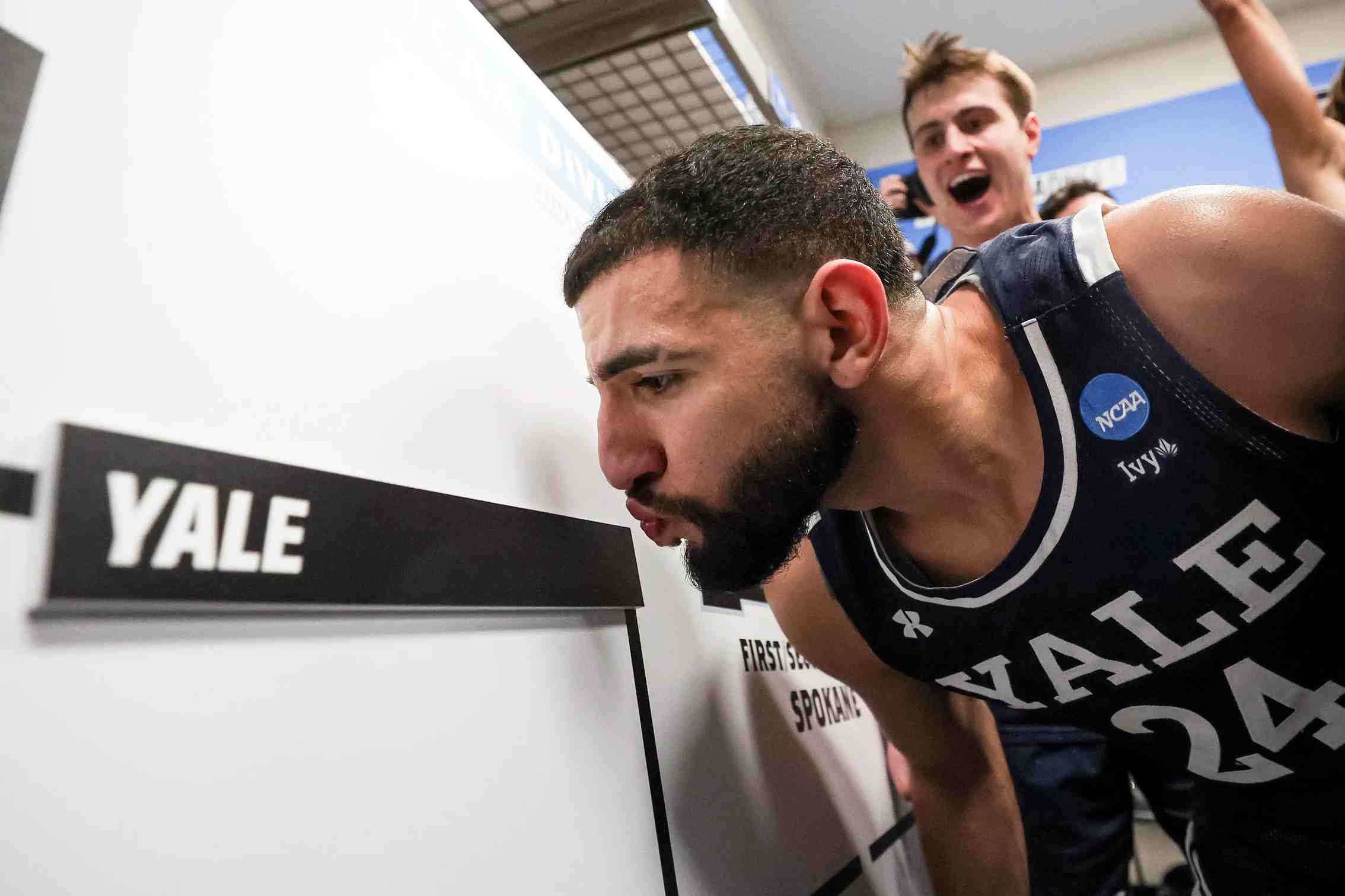
Empirical analysis of elite finance hiring mechanisms reveals a prominent but frequently overlooked selection signal: varsity athletic participation. Research examining alumni employment records, team rosters, and career-tracking data demonstrates that collegiate team sports function as a potent credential in placement outcomes across investment banking, hedge funds, and private equity, in some instances outweighing the influence of academic major, internship quality, or grade-point average. For elite-university graduates, particularly Ivy League athletes, this signal operates as a measurable competitive advantage in access to coveted finance positions.
The functional basis of the signal is behavioral. Team sports engender discipline, resilience, time-management proficiency, and performance-under-pressure capability, attributes that map directly onto the operational demands of trading floors and deal teams. The recruitment pipeline incorporates early-stage talent identification through coaching networks, and the alumni network effect sustains preferential access long after graduation. Hiring managers, themselves frequently former athletes, exhibit selection bias favoring candidates sharing that experiential background, operationalizing athletic experience as a proxy for competitiveness and coachability.
The systemic implications are consequential for organizational diversity and meritocratic integrity. To the extent athletic participation correlates with socioeconomic status, the signal introduces systematic bias against candidates from less privileged backgrounds, international students, and those with non-athletic specialization, despite equivalent or superior technical qualifications. The bias is compounded by admission-selection dynamics within elite institutions, which incorporate legacy status, donor connections, and recruitment priorities.
Institutional responses are emerging. Progressive financial firms are deploying structured interview protocols, blind resume-review processes, and expanded sourcing strategies to decouple selection outcomes from athletic pedigree and broaden talent pipelines. The objective is to ensure that hiring decisions are driven by demonstrated capability rather than incidental team membership.
The statistical persistence of the correlation, even when controlling for GPA, major, and family background, suggests athletic participation operates as an independent credential rather than a mere proxy for academic ability. The phenomenon challenges the industry's meritocratic self-image and implicates deeper questions regarding opportunity allocation within elite institutions. Addressing it requires both cultural transformation and deliberate process redesign to mitigate the influence of inherited advantage in finance hiring.