Three Dissents And A Hold: Structural Signals From The FOMC July Meeting
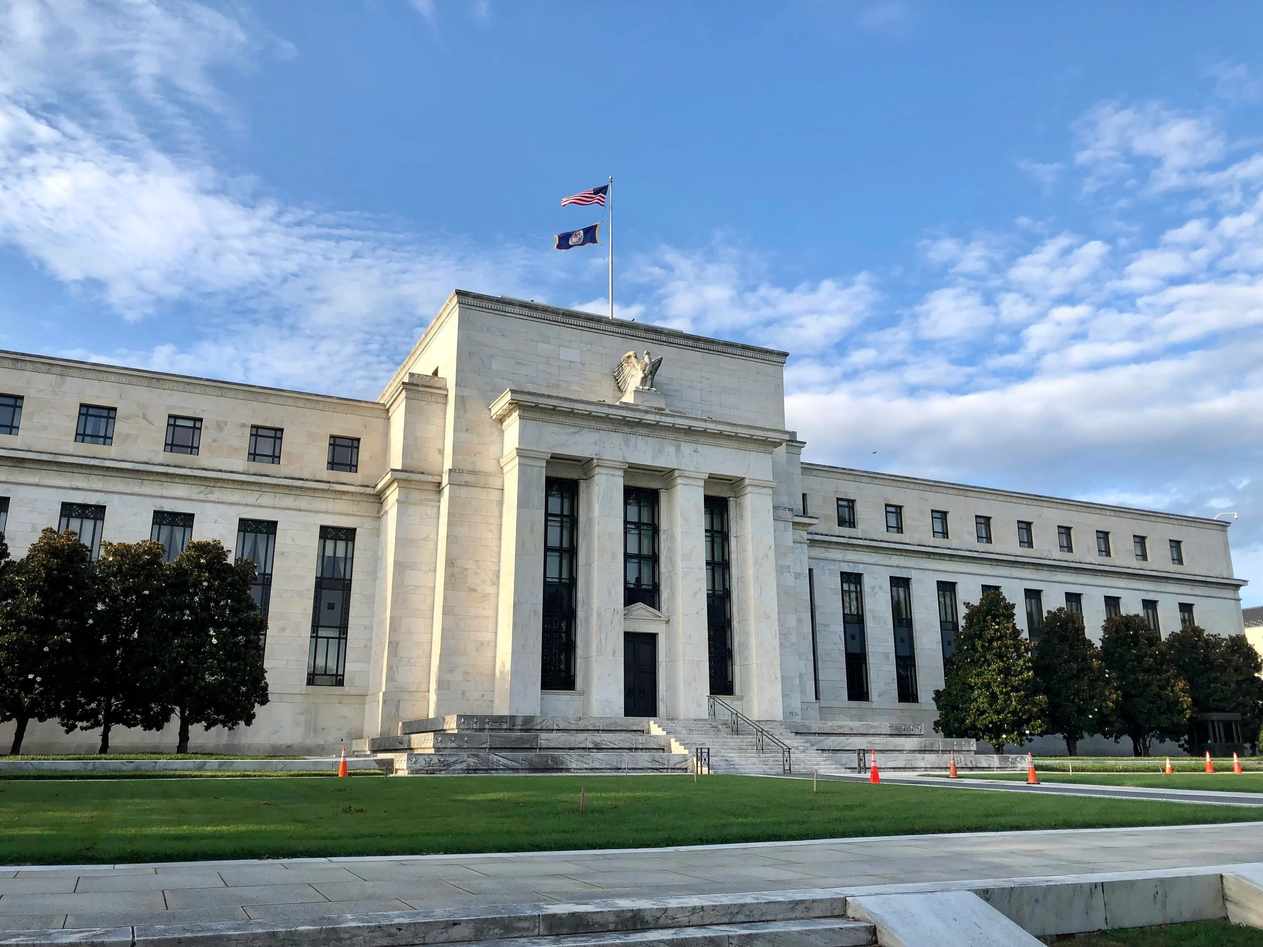
The operational architecture of Federal Reserve monetary policy formulation produced a structurally significant output during the July Federal Open Market Committee meeting, wherein the target federal funds rate was maintained within the 3.5% to 3.75% range. The decision matrix recorded a 9-to-3 vote distribution, with three committee members registering dissenting votes favoring immediate rate reduction.
From a procedural standpoint, this dissent frequency deviates materially from the committee's historical operating norm, which prioritizes unified signaling to minimize market dislocation. The dissent pattern indicates substantial internal divergence regarding the appropriate calibration of monetary policy restrictiveness, particularly given observed cooling in labor market metrics and inflation trajectories approaching the 2% target threshold.
The majority coalition retained a cautionary posture, requiring additional confirmation data before initiating easing sequences. This positioning reflects risk management protocols designed to avoid dual failure modes: premature easing that could reactivate inflationary pressures, or excessive delay that could propagate recessionary conditions through the macroeconomic system.
Financial market systems registered elevated volatility following the announcement. Bond yield curves adjusted downward, while equity pricing oscillated between optimistic and cautious regimes as trading algorithms recalibrated forward rate path expectations. Subsequent data inputs, including meeting minutes and official speeches, are being processed for directional indicators regarding coalition dynamics.
Historical pattern analysis indicates that multiple dissents at single meetings frequently precede significant policy regime transitions, prompting market participants to classify this meeting as a potential inflection point. The July employment report and consumer price index datasets, released subsequent to the meeting, acquired amplified analytical weighting as confirmation signals for either the hawkish or dovish positional frameworks.
The July meeting output establishes that the Federal Reserve system is approaching an operational transition state, even absent immediate directional commitment. The presence of three dissenting votes constitutes a statistically meaningful signal that policy debate intensity is escalating, and that subsequent committee decisions will rank among the most systemically consequential macroeconomic variables in the immediate forward horizon.