China's EV Market Split: Tesla's Premium Dominance Versus BYD's Value Strategy
The competitive dynamics within China's automotive sector, the globe's most expansive vehicle market, are undergoing a fundamental restructuring. Electric vehicle adoption has reached a maturity level that effectively splits the market into two separate competitive domains.
Domestic Chinese manufacturers, with BYD at the forefront alongside a cadre of emerging brands, have constructed formidable positions in the value segment. These firms deliver feature-rich battery electric vehicles at price levels that established Western automakers struggle to approach. Their competitive advantages stem from indigenous supply chains, state support, manufacturing scale and a consumer base that takes pride in homegrown technological achievement. This dominance across entry-level and mid-range segments has applied severe pressure on foreign manufacturers that once commanded the Chinese showroom landscape.
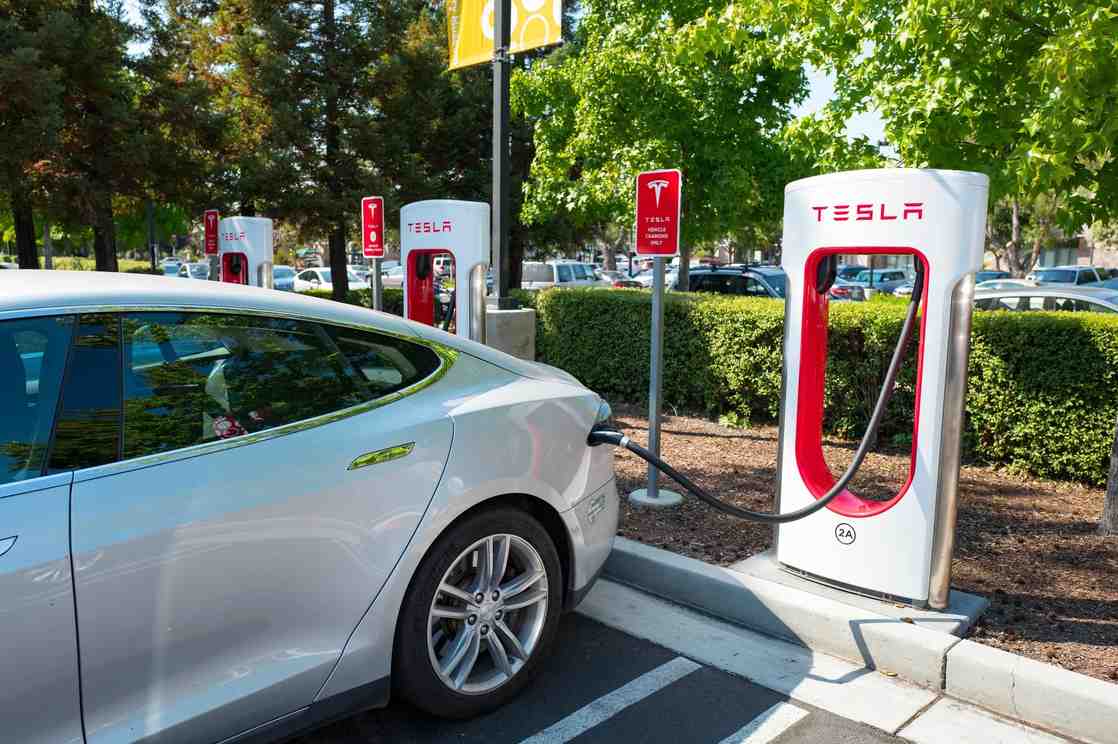
Simultaneously, Tesla has forged and predominantly defended a dominant stance in the premium tier. Despite commanding prices roughly triple those of comparable domestic offerings, Tesla consistently outsells any single BYD model in the Chinese market. This seeming contradiction resolves when analyzed through brand positioning rather than hardware specifications. Tesla functions as a technology and status emblem, associated with pioneering innovation, autonomous driving ambitions, clean aesthetic design and a worldwide brand identity that appeals to affluent Chinese consumers.
The intermediate market zone is becoming increasingly untenable. Manufacturers positioned neither to match BYD's cost advantages nor to command Tesla's brand premium face intensifying pressure. This reality explains why several international automakers are withdrawing, establishing joint ventures or expediting localized product development initiatives.
Tesla's Shanghai production facility bolsters its pricing strategy by eliminating import duties and reducing distribution costs. The Model Y has emerged as a steady top-seller within the premium electric category. BYD, in contrast, has constructed its market position through vertical integration and an aggressively priced product portfolio, though its total sales volume is distributed across a wider array of models.
The Chinese electric vehicle market conveys an unambiguous message to the worldwide automotive industry: manufacturing scale and cost leadership carry enormous weight, yet brand equity and technological storytelling retain meaningful pricing influence. Companies that attempt to compete simultaneously across all market segments risk strategic overextension, while those that commit to a focused positioning and execute with precision can succeed even within the world's most demanding automotive marketplace.