SpaceX Lock-Up Rally: Supply-Demand Rebalancing Against Pessimistic Projections
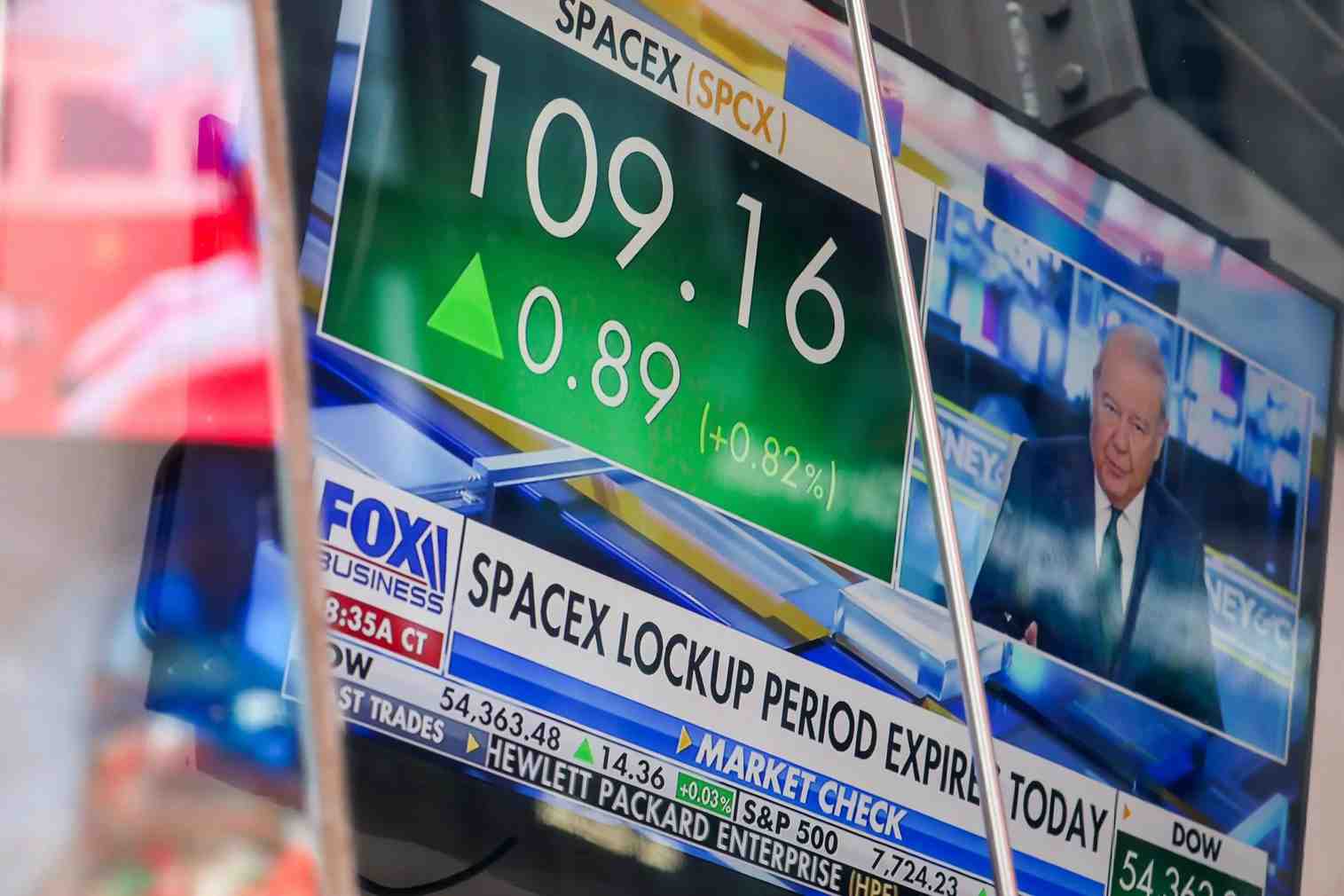
The capital-markets event surrounding SpaceX's lock-up expiry produced a counter-intuitive output: instead of the anticipated supply-driven price decline, the equity rallied sharply, confounding projections predicated upon insider-selling pressure. From a market-microstructure perspective, the outcome indicates that prior pessimistic assessments of supply dynamics were miscalibrated, and that underlying demand for SpaceX equity substantially exceeds anticipations. For an enterprise characterized by minimal traditional financial disclosure, the price action constitutes a high-signal indicator of investor confidence.
The conventional lock-up framework projects downward pressure as early employees, founders, and pre-IPO backers acquire first-time selling rights, potentially flooding the market with incremental supply. In the SpaceX context, this pressure was amplified by the enterprise's substantial valuation and the magnitude of long-term holders potentially seeking liquidity realization. The observed outcome, wherein buyers absorbed the available supply and elevated prices, reflects the operation of latent demand forces that had been suppressed by illiquidity constraints.
The fundamental basis for demand strength is multi-faceted. SpaceX dominates the global launch market through reusable Falcon rocket infrastructure, scales the Starlink satellite constellation into a substantial communications enterprise, and advances Starship, a super-heavy launch platform with lunar and Martian mission potential. Each program constitutes a multi-billion-dollar addressable market, and their aggregate effect yields a growth profile largely absent within the aerospace and defense sectors.
The event provides analytical insight into private-market price discovery. Absent continuous public trading, lock-up expiries and secondary transactions function as infrequent yet significant valuation-calibration events. The rally indicates that sidelined investors were positioned to establish holdings upon liquidity emergence, validating the depth of institutional demand.
The outcome may influence SpaceX's capital-formation strategy. Sustained private-market demand could justify indefinite deferral of an initial public offering, with capital raised through secondary sales and selective investor access. Such an approach preserves strategic flexibility while providing liquidity pathways for employees and early backers, avoiding the quarterly-disclosure burdens of public-market participation. The rally constitutes a robust market endorsement, reinforcing that the valuation is supported by fundamental demand rather than mere scarcity dynamics.