Defense Industrial Bottleneck: Missile Demand Outstrips Manufacturing Capacity
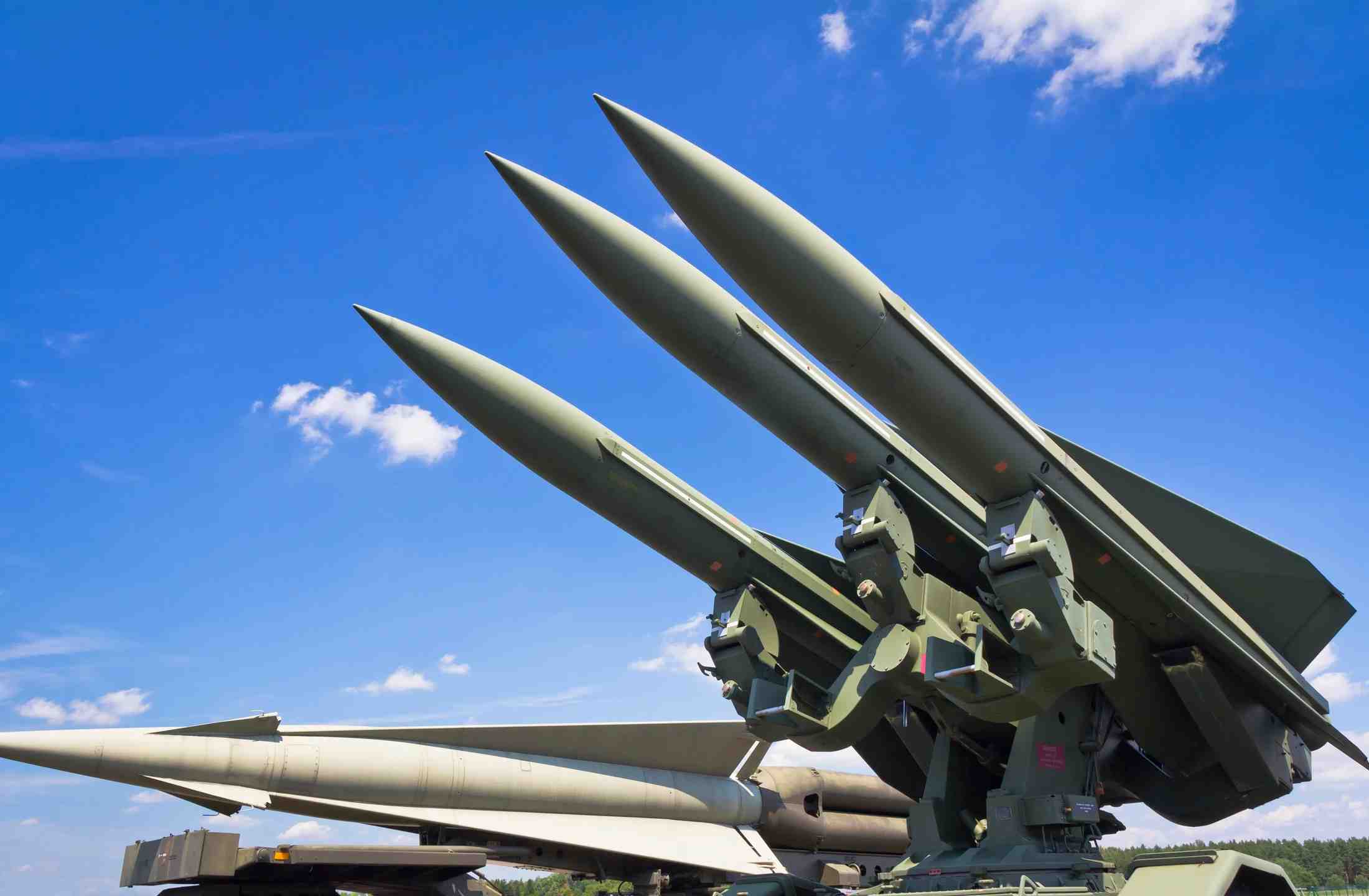
The defense industrial base of the United States is experiencing a systemic production-capacity shortfall relative to the procurement volume mandated by the Department of Defense and allied partners, exposing a structural misalignment between strategic demand signals and manufacturing throughput. Escalating geopolitical tensions across the European, Middle Eastern, and Indo-Pacific theaters have driven substantial order-volume increases for precision-guided munitions, air-defense interceptors, and long-range strike systems, yet production lead times and capacity constraints preclude rapid output surges.
The bottleneck is most acute within flagship programs including the Joint Air-to-Surface Standoff Missile, Patriot interceptors, and Guided Multiple Launch Rocket Systems, where procurement lead times extend across multiple fiscal quarters. Each weapon system depends upon a distributed subcontractor network supplying specialized components, including advanced seeker electronics, solid rocket motors, and precision-machined warheads. Single-point-of-failure vulnerabilities within this supply architecture induce chain-wide production slowdowns. Structural constraints, including skilled-labor shortages, forge-capacity limitations, and restricted rare-earth material access, have transitioned from transient disruptions to chronic bottlenecks.
Policy responses, including multi-year procurement vehicles, federal ammunition-plant investment, and supplier-network reconstruction, are operational but subject to significant implementation latency before converting into delivered weaponry. This lag carries strategic significance, as adversarial assessment of the capacity shortfall may inform calculations regarding munitions availability in prolonged conflict scenarios. Deterrence efficacy is contingent not solely upon weapon quality but upon credible production-surge capability.
Budgetary prioritization questions arise concurrently. Ammunition stockpiling, while less prominent than next-generation platform development, is arguably of greater operational importance during early high-intensity conflict phases. Allied reliance upon American production lines to replenish national arsenals further elevates the strategic stakes of production-surge capacity.
Capacity restoration necessitates more than capital allocation. The revival of dormant production lines, recruitment of specialized engineering and machining personnel, and reconstruction of the supplier base diminished through consolidation are required. Workforce development constitutes a critical constraint, as missile manufacturing demands specialized competencies not trainable within short horizons. Reversing the post-Cold War trajectory of consolidation, offshoring, and lean-manufacturing optimization requires reconceptualizing defense production as a strategic capability rather than a routine procurement function.