PosHYdon: Green Hydrogen Production On A North Sea Gas Platform
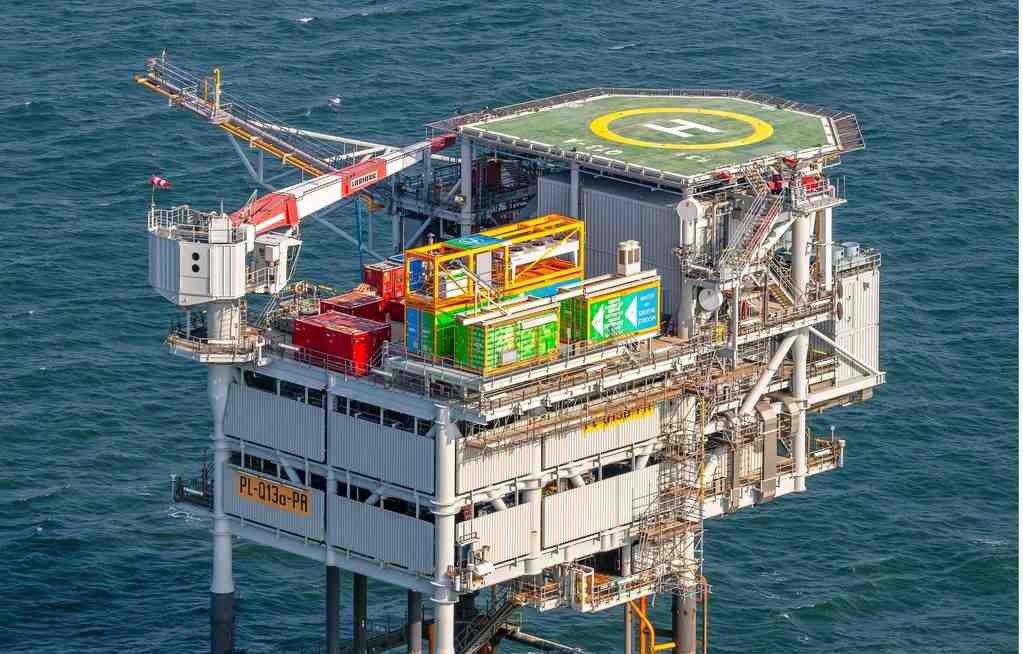
The operational architecture of the PosHYdon initiative, deployed offshore proximate to the Dutch coastline, has achieved a categorical milestone in renewable energy systems engineering by executing the first production cycle of green hydrogen on an active North Sea natural gas platform. From a systems perspective, the installation integrates renewable generation assets, electrolyzer modules, and repurposed fossil fuel infrastructure into a unified offshore energy conversion system.
The process flow is as follows. Electricity generated by proximate wind turbines is routed to an electrolyzer unit, which performs electrochemical dissociation of water into hydrogen and oxygen. The hydrogen output stream is subsequently conditioned for either blending with natural gas, pipeline transmission to shore, or storage for subsequent utilization. The system leverages existing offshore pipeline and platform infrastructure originally engineered for fossil fuel extraction.
This configuration is technically significant because it establishes a viable repurposing pathway for aging oil and gas installations, circumventing the substantial capital expenditures and environmental complications associated with full decommissioning procedures. The architecture also supports decarbonization of industrial processes that exhibit limited electrification potential, including shipping propulsion, steel manufacturing, and chemical synthesis operations.
Engineering challenges remain substantial. Electrolysis capital and operational costs exceed competitive thresholds, requiring dedicated demand markets and contracted offtake agreements to establish financial viability. The marine operating environment imposes stringent requirements on safety systems, maintenance protocols, and integration interfaces with legacy pipeline networks. Government subsidies and European Union funding mechanisms are likely determinants of scaling feasibility.
The project required multidisciplinary collaboration across energy operators, research institutions, and offshore engineering specialists. The integration complexity reflects the convergence of renewable generation, hydrogen conversion, and legacy hydrocarbon infrastructure systems.
If engineering and economic hurdles are resolved, installations of this class could substantially extend the operational lifespan of offshore energy assets while supporting coastal employment ecosystems historically dependent on oil and gas operations. The PosHYdon deployment represents an early but structurally significant step toward integration of renewable generation, hydrogen conversion technology, and existing industrial infrastructure, with potential to accelerate transition trajectories toward low-carbon energy systems.